


Wondering how to make custom hats that actually look good, not homemade in the wrong way?
Start with the hat itself, then build the artwork around its shape and choose a decoration method that suits both. Making custom hats involves embroidery, heat transfers, sublimation, patches or printing.
The right approach depends on whether you are making one at home or ordering custom hats for a business. Let’s learn how to customize hats.
Alpha Imprint: Trusted Local Partner for Custom Hats in Houston
What if you want a professional result but do not want to buy an embroidery machine, a cutter, or a hat press?
That is where a local custom hat company can make the process much easier.
Alpha Imprint offers custom hats in Houston for businesses, teams, events, uniforms, giveaways and branded merchandise.
Rather than starting with equipment, you can begin with your idea and get guidance on hat style, artwork, logo placement and decoration methods.
Our catalog also includes a broad range of apparel and promotional products, and we also support local coordination.
Which Hat Style Fits Your Brand?
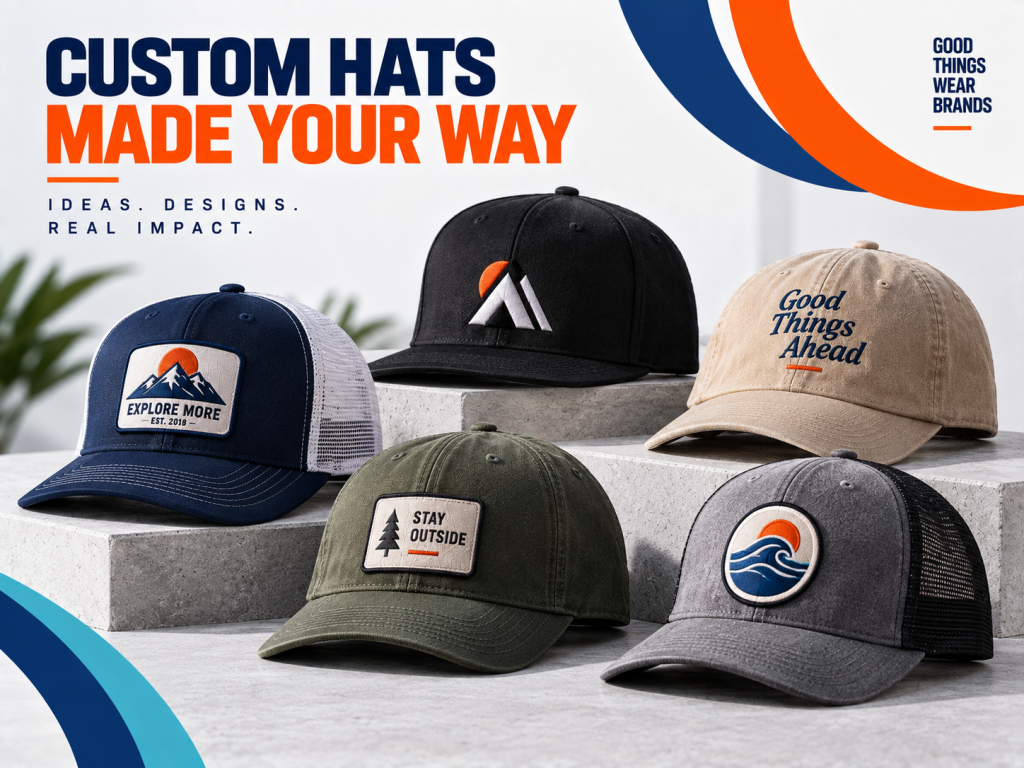
A hat is not just a blank surface. Its shape changes the personality of the finished design.
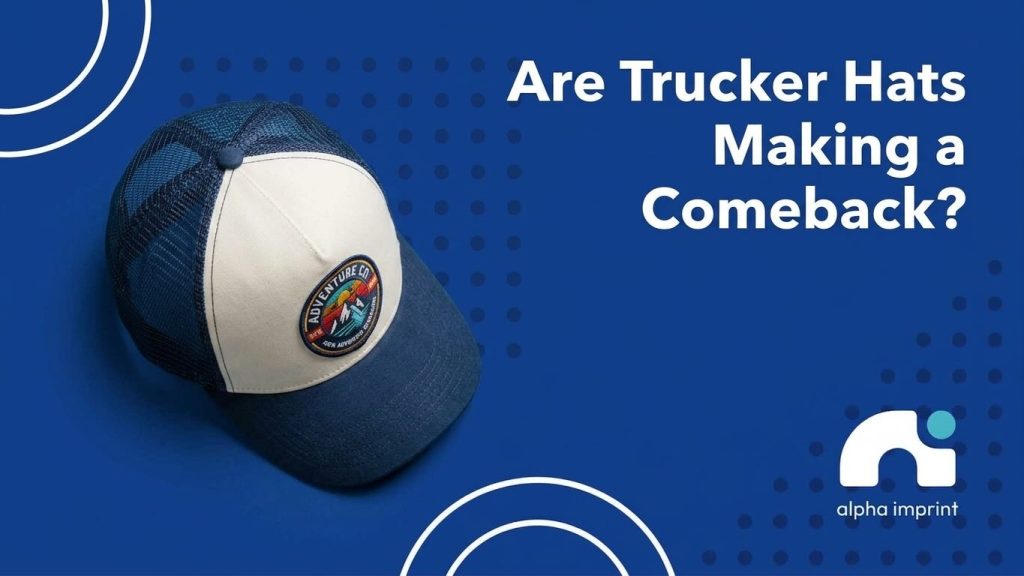
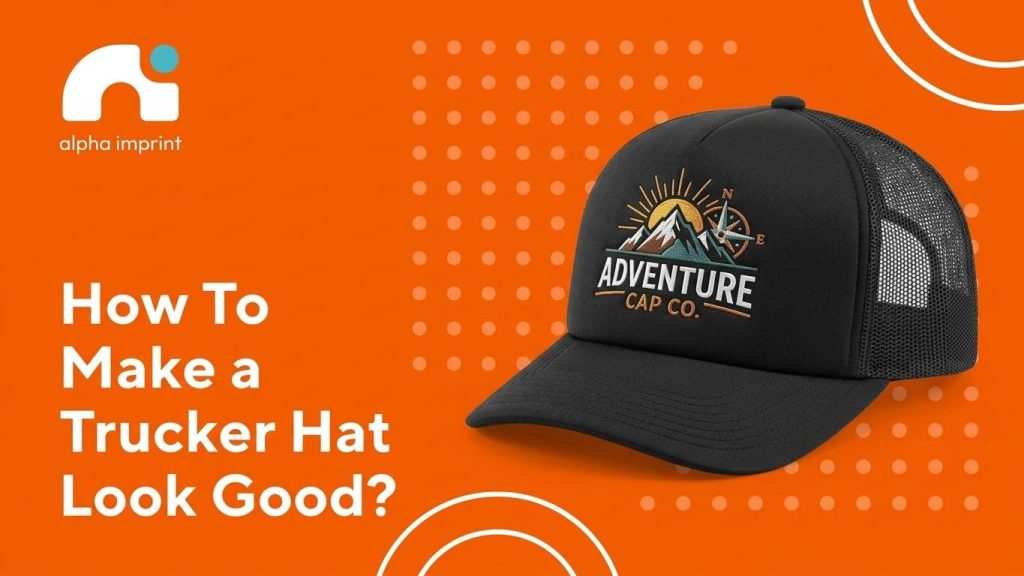
Trucker hats have a casual mesh-back look that works well for outdoor brands, crews, and events. If that style fits your audience, custom trucker hats in Houston are one direction to explore.
Snapbacks feel more structured and often work well with bold front logos.
Brands with a cleaner streetwear profile may prefer custom embroidered snapback hats in Houston Texas.
Baseball caps and dad hats create a softer everyday look.
Before choosing any custom hat styles, think about who will wear them, where they will be used, and how structured you want the final piece to feel.
Should You Embroider or Print the Hat?
There is no automatic winner.
Custom hat embroidery works especially well when you want texture and a polished stitched finish. Printing and transfers can make more sense for colorful or highly detailed artwork.
For brands considering embroidery in Houston, professional production also means you do not have to learn commercial embroidery setup just to complete an occasional hat order.
How to Make Custom Hats Step by Step
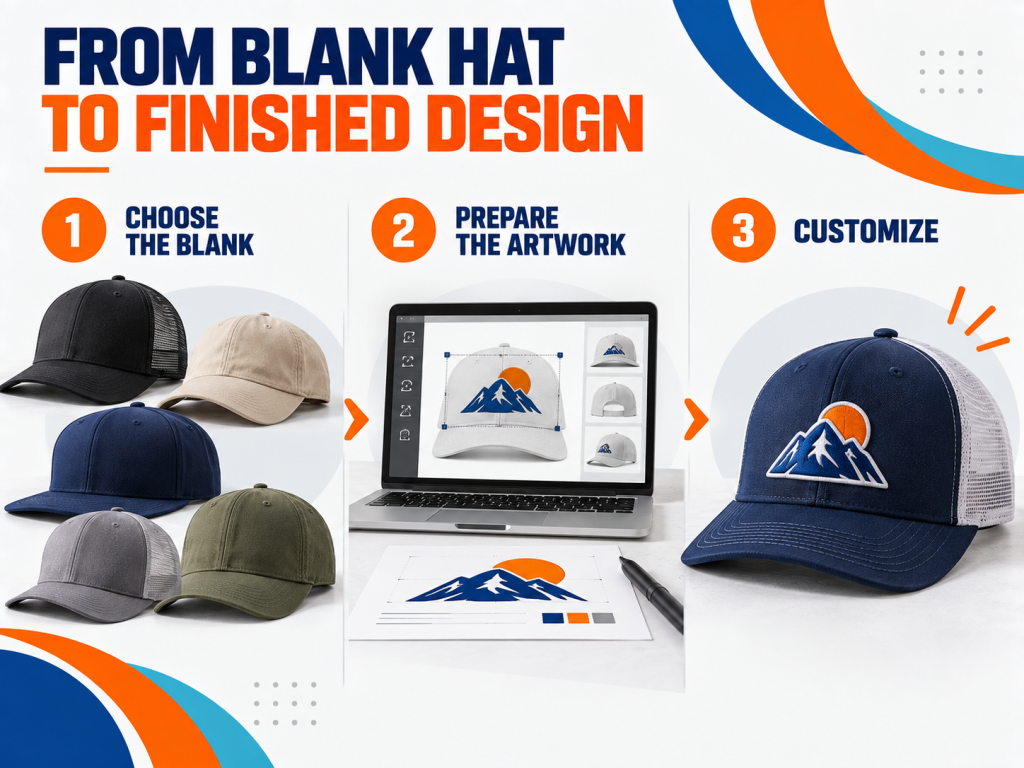
If you want to know how to customize hats, think of the process as three main decisions.
Step 1: Choose the Right Blank Hat
Start with the blank hats before you finalize the artwork.
Why? A tall, structured snapback gives you a much larger decoration area than a low-profile dad hat. Trucker hats add mesh. Beanies stretch. Bucket hats curve differently around the head.
Fabric matters too. Cotton, polyester, blends, and mesh do not all behave the same under embroidery or heat.
Choose your hat styles and colors first. Once the custom caps are selected, you can size the artwork to fit the space you actually have.
Step 2: Prepare Your Artwork and Placement
Where should the logo go?
Front-center is the obvious choice for a main mark, but it is not the only one. Small side logos, back text, or subtle supporting details can make a hat feel more considered.
Good hat logo placement also accounts for seams and crown curvature.
A wide design that looks perfect on a flat screen may not sit well across a narrow front panel.
Start with clean hat artwork, simplify tiny details where necessary, and review your custom hat design on a mockup before approving production.
Step 3: Pick the Right Customization Method
Now decide how the design should actually be applied to the hat.
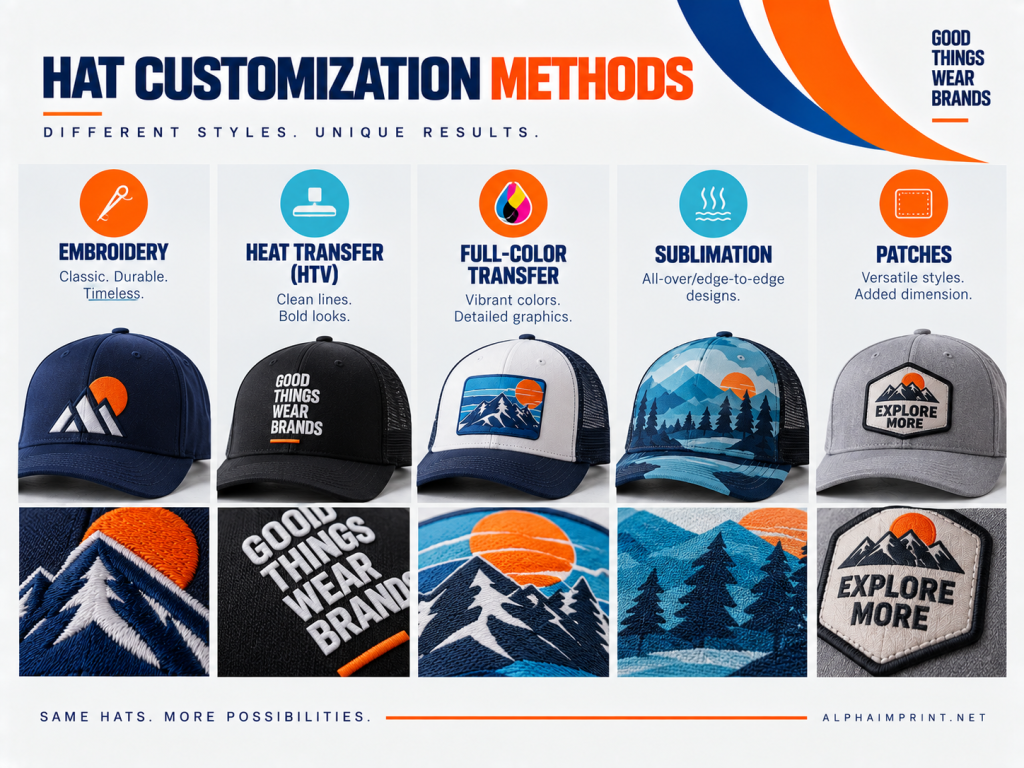
Common hat customization methods include embroidery, heat transfer vinyl, full-color transfers, sublimation, and patches.
Do not choose based only on which example looks coolest online.
Ask a better question: which method fits the artwork, material, budget, quantity, and amount of wear the hat will get?
How to Make Custom Embroidered Hats
For custom embroidered hats, the design is stitched directly into the cap with thread.
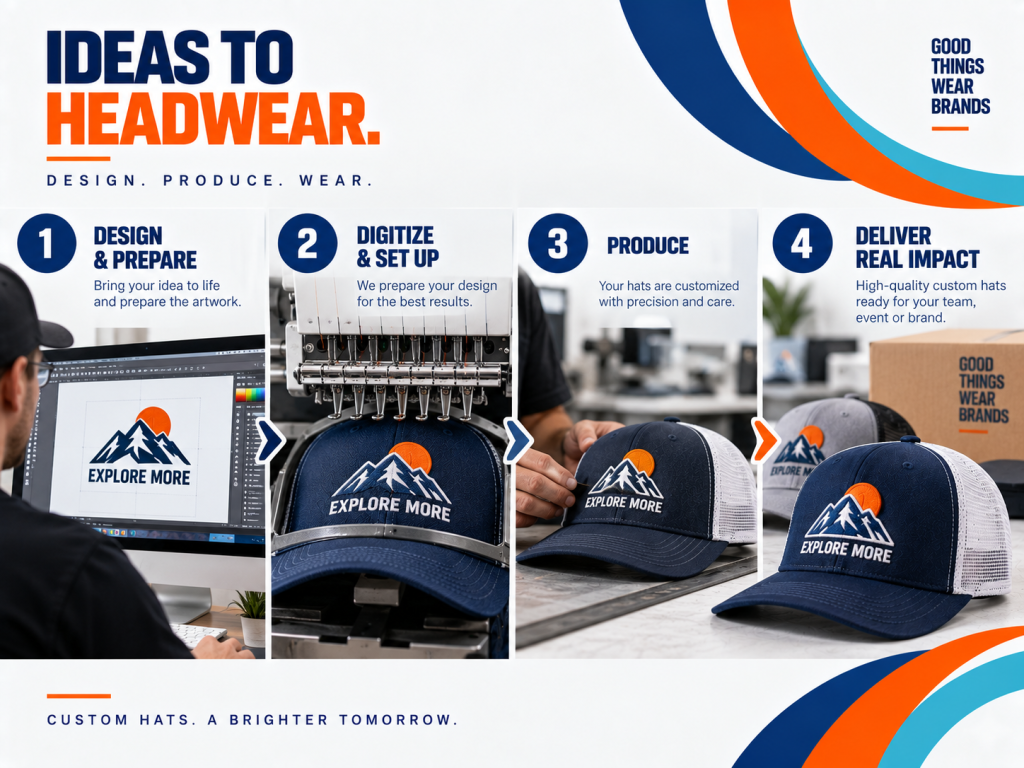
The artwork first has to be digitized so an embroidery machine knows where and how to stitch. The hat is then secured in a frame, the design is positioned and the correct threads are loaded.
After stitching, loose threads are trimmed and the finished embroidery is inspected.
Why is hat embroidery so common for logos?
It creates real texture and works particularly well for company marks, initials, uniforms, team caps and premium branded pieces.
It does have limits. Tiny text can become difficult to read. Smooth gradients do not translate naturally into thread, and extremely detailed artwork often needs to be simplified first.
Flat Embroidery or 3D Puff?
Flat embroidery gives you the classic stitched finish.
3D puff embroidery adds foam beneath selected areas so letters or shapes rise from the cap.
It can look great on bold logos, but detailed artwork usually does not benefit from the extra height.
If you are still deciding which logo treatment works best on a cap, these hat embroidery ideas help you compare approaches.
How to Customize Hats With Heat Transfers
Want more color without stitching every detail?
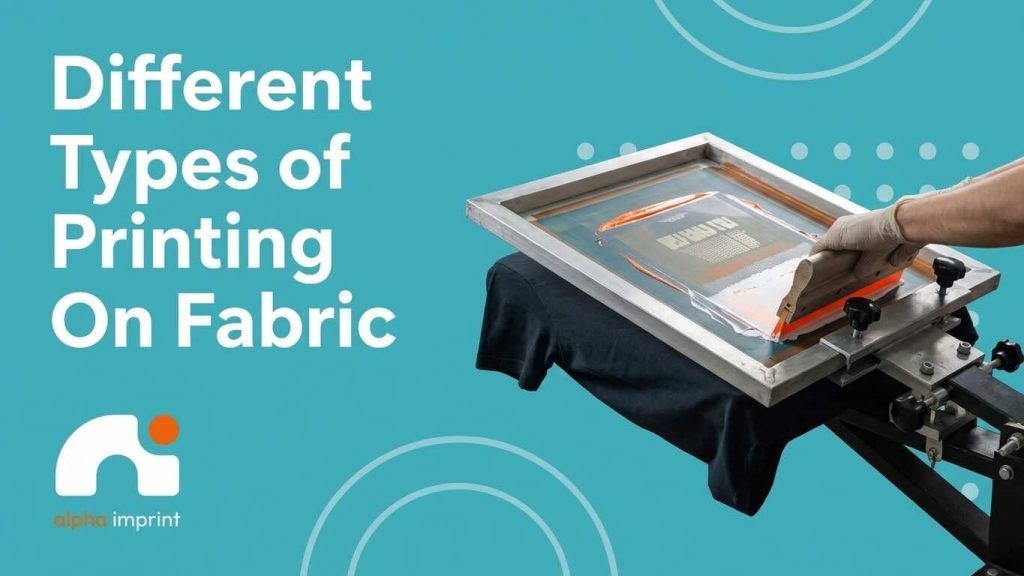
Heat transfer printing creates the graphic separately and applies it with heat and pressure.
Because a cap is curved, a hat press helps hold the front panel against a shaped platen during application.
Professional cap presses are specifically designed to conform the cap face to that curved surface.
Heat transfer hats can work well for short runs and graphics that would be difficult to reproduce with embroidery.
Heat Transfer Vinyl (HTV)
With heat-transfer vinyl, the design is cut with a vinyl cutter.
Extra vinyl is weeded away, then the remaining artwork is positioned and pressed onto the hat.
HTV hats are best suited to straightforward lettering and simpler graphics. Multiple colors are possible, but each extra layer adds another step.
What About Full-Color Transfers
For gradients, illustrations or multicolor graphics, full-color transfers are usually more practical than layering several pieces of vinyl.
Options such as DTF hat transfers can handle detailed artwork and give custom hat printing more flexibility than basic HTV.
How to Customize Hats With Sublimation
Sublimation printing works differently from a surface transfer. The printed design is heated so the dye bonds with a compatible material.
The big advantage? Detailed, colorful graphics.
The big limitation? Traditional sublimation is not ideal for every blank. It performs best on white or light polyester-rich materials and compatible coated surfaces.
That makes sublimation hats a more specialized choice than a universal solution.
When Does Sublimation Make Sense
Choose custom sublimation hats when the artwork depends on vibrant color or fine detail and the blank has suitable polyester content.
If the hat is not compatible, sublimation transfers are not the right answer. Embroidery or a heat-transfer method may be easier.
Patches and Other Ways to Customize Hats
What if you want more texture than printing but a different look from direct embroidery?
Try custom hat patches.
The patch is made separately and then attached to the cap.
Embroidered patches have a traditional stitched look.
Woven patches can capture finer detail, while leather patch hats feel more rustic or premium.
PVC patches create a bolder, dimensional finish.
Before choosing one, look at the front-panel shape. A wide rigid patch may not sit naturally on a strongly curved hat.
Hat Design Ideas for Better Custom Hats
A good hat design does not need to fill every inch of available space.
Simple artwork is often easier to read from a distance.
Give the logo room to breathe, make sure there is enough contrast against the hat color, and avoid shrinking a complicated shirt graphic until it barely fits.
Front logos work well for the primary mark. Side branding, initials, back text, and small event graphics can support it.
For more hat design ideas, focus on concepts designed around the cap itself rather than treating custom logo hats like miniature T-shirts.
How Big Should the Logo Be?
Big enough to read, but not so large that it fights the seams and curvature.
The front usually carries the main artwork.
Sides and backs are better for smaller details. Decoration guides also show that usable space varies with low-, mid-, and high-profile caps, so one size should not be reused automatically across all styles.
Always check hat design placement on a mockup first.
How to Get Custom Hats Made Professionally
If you searched how to get custom hats made but have no intention of becoming a hat decorator yourself, the process is simpler than it sounds:
- Decide what the hats are for and how many you need.
- Pick the style and color.
- Send your logo or artwork.
- Choose embroidery, printing, a transfer, or a patch.
- Review the mockup or sample.
- Approve the custom hat order.
When comparing custom hat manufacturers, ask about minimum quantities, artwork requirements, turnaround time, placement options, mockups, samples and pricing.
The cheapest quote is not always the cheapest order if the finished hats need to be redone.
Check the Mockup Before Production
Before custom hat production starts, slow down for one final check.
Is the spelling correct? Is the logo centered? Are the colors right? Did you approve the correct hat color and decoration method?
A custom hat mockup catches many of these problems early. For a larger or more complicated project, a physical hat sample can be even more useful.
Conclusion
Now you know how to make custom hats. Successfully making custom hats is less about picking one “best” technique and more about matching the hat, artwork, placement, and decoration method. Embroidery adds texture, transfers offer flexibility, sublimation handles compatible full-color artwork, and patches create their own look.
DIY personalized caps are possible, while professional production makes consistent custom hats much easier at larger quantities.