


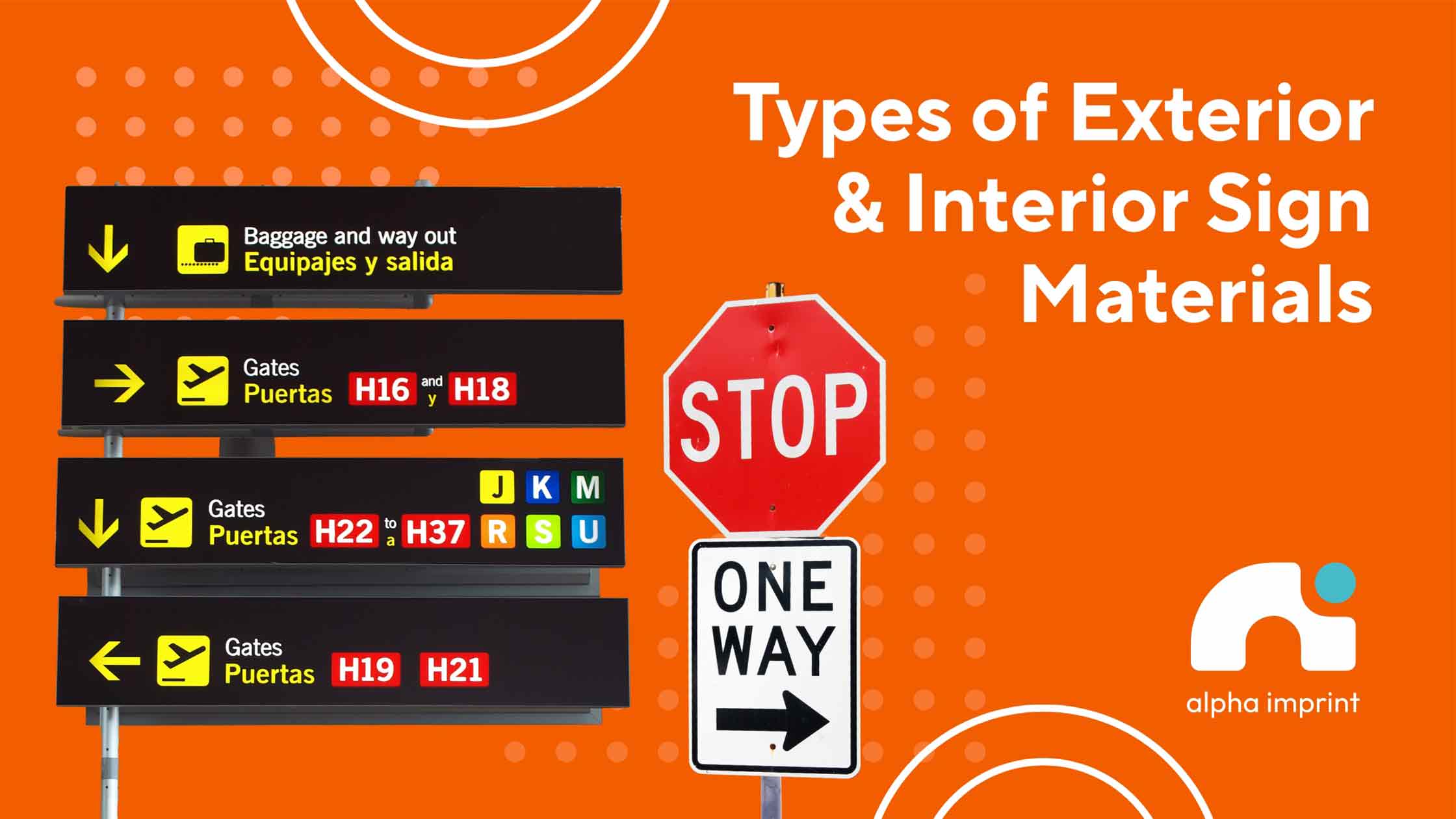
Understanding the types of signage materials will help you choose the best option for different spaces, from store signs to shopping mall signs.
Choosing the right types of signage materials has a huge impact on a sign’s quality, durability, and even its impact. Every advertising project has different needs, which is why it’s important to understand signage materials.
Some materials are best suited for indoor spaces, while others are designed for harsh outdoor conditions. This means that exterior sign materials are different from interior signs as they should withstand bad weather conditions.
Understanding these differences will help you make more informed decisions.
What Are The Different Signage Materials? (Quick Answer!)
| Material | Type | Typical Use | Key Advantages | Limitations | Cost Level |
|---|---|---|---|---|---|
| Aluminum | Rigid (Exterior) | Building signs, wayfinding, flat panels | Durable, rust-resistant, lightweight | Less “luxury” look than steel/bronze | Premium |
| Aluminum Composite (ACM) | Rigid (Exterior) | Large commercial signs, storefronts | Smooth surface, lightweight, good for printing | May require maintenance in harsh weather | Premium |
| Stainless Steel / Bronze | Rigid (Exterior) | Architectural signage, plaques | Very durable, luxury appearance | Expensive | Premium |
| Acrylic (Exterior Grade) | Rigid (Exterior) | Illuminated signs, raised letters | Glossy modern look, UV-resistant | More fragile than metals | Mid |
| PVC Board (Outdoor) | Rigid (Exterior) | Short-term outdoor advertising | Lightweight, affordable | Less durable | Mid–Low |
| Coroplast (Corrugated Plastic) | Rigid (Exterior) | Yard signs, campaign signs | Very light, cheap, easy to install | Short lifespan | Economy |
| Vinyl Banners | Flexible (Exterior) | Events, promotions, temporary ads | Flexible, portable, printable | Not suitable for long-term use | Economy |
| 3D Plastic Letters | Rigid (Exterior) | Store branding, dimensional signage | High visibility, customizable | Cost varies with design | Mid–High |
| Foam Core Board | Rigid (Interior) | Event boards, presentations | Very light, good for printing | Sensitive to moisture, fragile | Economy |
| Gator Board | Rigid (Interior) | Showrooms, galleries | More durable than foam core | Slightly higher cost | Mid |
| Polystyrene (Styrene) | Rigid (Interior) | Retail signage, menus, POP displays | Good print quality, flexible | Thinner than other boards | Mid |
| Acrylic (Interior) | Rigid (Interior) | Lobby signs, office branding | Premium, glass-like appearance | Heavier, needs proper installation | Mid–High |
| PVC Board (Indoor) | Rigid (Interior) | Wall signs, exhibitions | Lightweight, easy to shape, economical | Less premium look | Mid |
| Vinyl Graphics / Wall Decals | Flexible (Interior) | Wall branding, window graphics | Easy installation, removable | Adhesion depends on surface/time | Economy |
What Are Signage Materials?
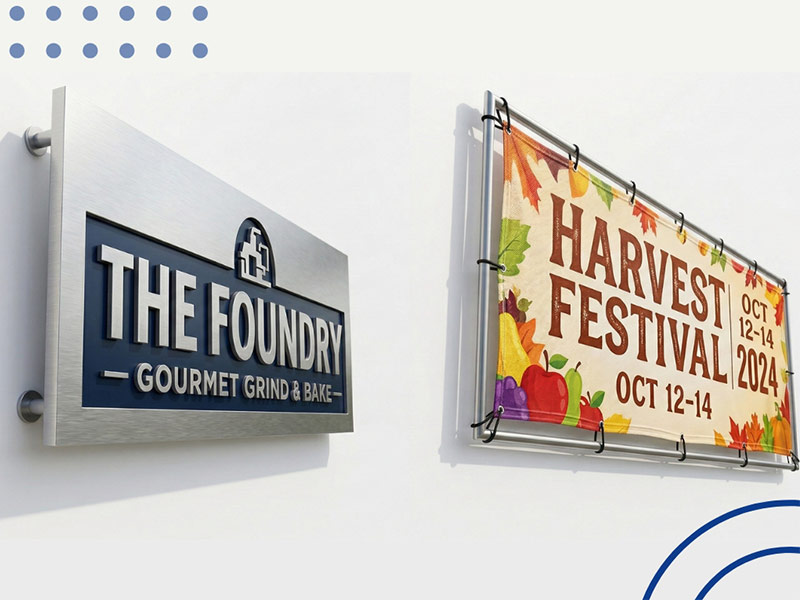
When we talk about signs and advertising, the first thing we need to understand is signage materials. This term refers to the materials used to produce different types of signs, including advertising, wayfinding, retail, and exhibition signage.
In many cases, these materials serve as the surface or structural base for graphics, lettering, or branding elements. The right choice of signage material impacts durability, appearance, and even the final cost of the project.
In general, these materials are divided into two main categories: rigid and flexible. Rigid materials include acrylic, aluminum, PVC board, or foam board, which have a more rigid structure.
In contrast, flexible materials such as vinyl are used for applications that require rolling up or easy transport. These differences require that each project be carefully examined for the sign material types.
The sign’s location also plays an important role in selecting materials. For example, indoor signs usually do not require high resistance to environmental conditions.
However, outdoors, the sign must be resistant to sun, rain and temperature changes. For this reason, choosing the right signage materials from the very beginning is very important.
In addition to location, factors such as installation method, lighting conditions, intended lifespan, and brand image also influence material selection.
As a company with 4 years of experience delivering signage Houston services, we’ve worked with many companies and provided suitable signage solutions based on their needs. Moving forward, we will discuss the best practices for choosing the right sign material. You’ll learn what material works best for different types of signs.
How to Choose the Right Sign Material
Environmental & Location Factors
One of the first things to consider when choosing a sign material is where it will be installed. The installation environment can significantly influence the selection of exterior sign materials.
For example, outdoor signs need to be resistant to sunlight, wind, and rain. If a sign is going to be installed in an area with intense sunlight, a UV-resistant material that will not fade quickly is needed.
Also, in windy locations, the sign must withstand wind pressure. Many businesses use outdoor signage materials that are more durable for such conditions.
On the other hand, if the sign is being installed indoors, the situation is different. In indoor environments with controlled temperature and humidity, there is usually no need for very heavy, weather-resistant sign materials; lighter options can work just as well.
Lifespan & Durability Expectations
Another crucial consideration is the anticipated longevity of the sign. Some signage is intended for only a brief interval, such as seasonal sales promotions of special events, moments that are, as the saying goes, “here today, gone tomorrow.”
In such situations, simpler materials can be used. However, if the sign will remain outdoors for several years, the choice of material becomes more important.
This is where the issue of sign material durability comes into play.
For example, signs in stores or office buildings that are constantly exposed are made with outdoor sign materials to be more resistant to sunlight, rain, and temperature changes. Even in high-traffic indoor spaces like shopping malls, choosing a durable material is crucial.
Budget, Installation & Maintenance
Budget is also important. The price of materials varies depending on thickness, installation type, and construction quality. When considering sign material types, you should also consider the surface on which the sign will be installed; Some walls or structures require lighter materials.
In addition to the initial cost, maintenance costs are also important. Some signage materials require periodic cleaning or repairs.
That’s why many businesses consider the long-term cost of signage materials when making decisions, not just the initial price. Sometimes a slightly more expensive material will add more value over time.
Exterior Sign Materials
Aluminum
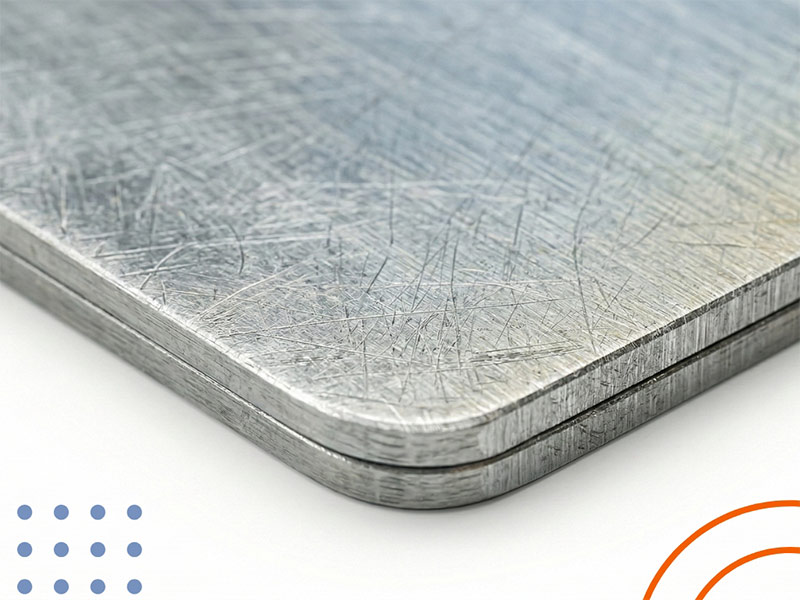
Aluminum is one of the most popular exterior sign materials for outdoor signs, due to its combination of strength, light weight, and rust resistance.
When a business wants to install a sign that will last for years outdoors, aluminum sign is often one of the first options considered.
It is especially useful for flat-panel signs, wayfinding systems, and building-mounted signage, where long-term weather resistance is essential.
One of the main advantages of aluminum is its lightweight nature. This feature makes the sign easier to install and does not place excessive strain on the structure or wall.
In many projects, aluminum offers a good balance between cost and durability; it is neither too cheap nor too expensive to be unusable for businesses.
It is also highly flexible in terms of design. It can be produced in a variety of colors, matte or glossy finishes, and even custom graphic printing. This is why it is used in many outdoor signage materials projects.
Of course, aluminum also has its limitations. Although it is very resistant, in some specific projects that require a more luxurious appearance, materials such as steel or bronze are preferred.
In terms of maintenance, aluminum does not require special care. Usually, a simple cleaning with water and a mild detergent is enough to maintain its appearance.
Aluminum Composite Material (ACM)
ACM signage, or aluminum composite material, is another very common material for outdoor signs. This material consists of two aluminum layers with a polyethylene core.
Because of this layered construction, ACM offers a smooth, rigid appearance without the weight of a solid aluminum sheet.
One of the biggest advantages of this material is its smooth surface. Unlike some metals that can become slightly wavy over time, ACM has a completely flat surface, making it ideal for printing large graphics.
This is why it is used in many commercial building signs or large store signs.
In outdoor signage materials projects that require large, lightweight signs, ACM is a very popular choice. It is also easy to cut and can be produced in a variety of shapes.
However, like any material, it has its drawbacks. Under very harsh weather conditions, it may require more frequent maintenance to maintain its appearance.
Stainless Steel & Bronze
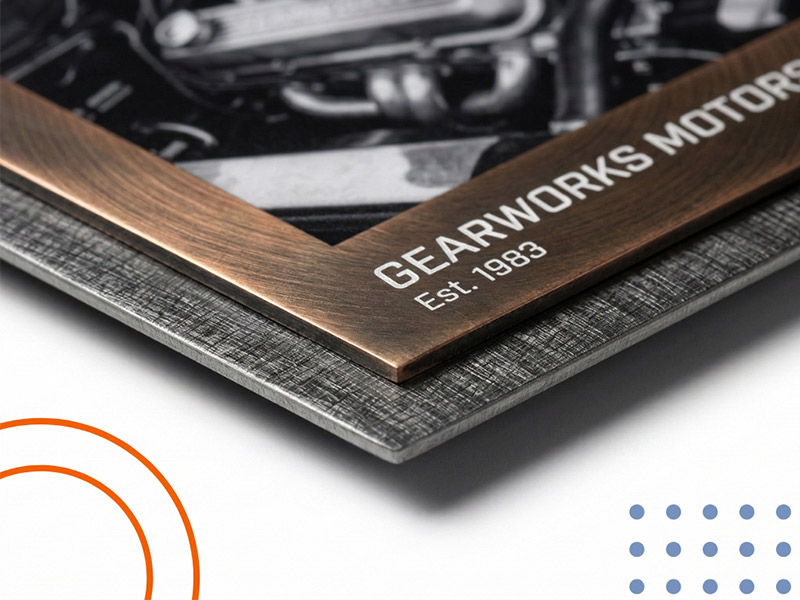
When it comes to luxury and architectural signage, materials such as stainless steel and bronze are at the top of the list. These materials are usually used for projects where durability and a very professional and high-quality appearance are important.
Stainless steel is considered one of the most durable metal outdoor sign materials. This material is very resistant to corrosion, moisture, and harsh environmental conditions. Even in coastal areas where the air contains salt, certain types of steel can last for years without problems.
Steel is also highly versatile in design. It can be produced in a shiny, polished or brushed form. This diversity has led to its wide use in building signs, commemorative plaques and raised letters.
Bronze also has a classic, very elegant appearance and is often used for official plaques or historical signs. Of course, it should be noted that these materials usually cost more than other exterior sign materials. However, they offer high durability and a long-lasting appearance.
Acrylic (Exterior Grade)
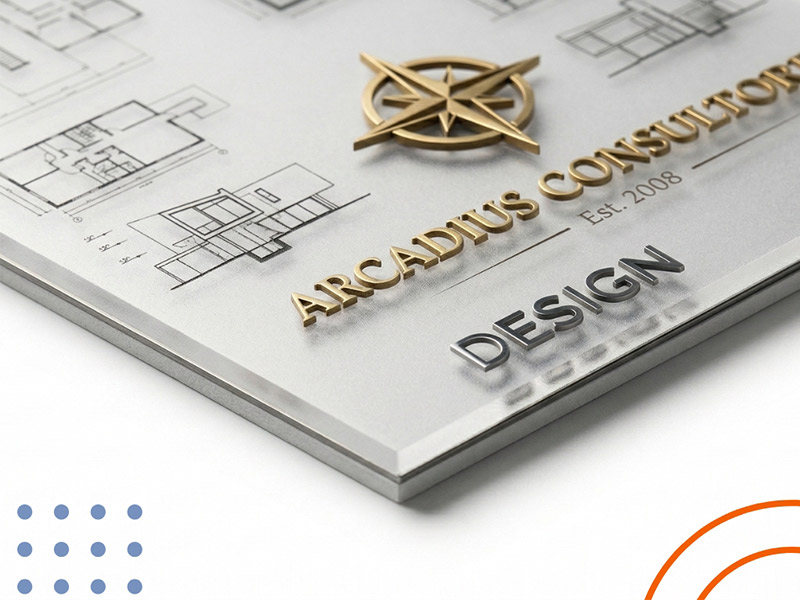
Acrylic is one of the most widely used materials in modern signage. This material is known for its clear, glossy appearance, often giving the sign a luxurious, modern feel.
In many exterior signage projects, acrylic is used for raised letters, illuminated signs, and channel letters. Outdoor versions usually have a UV-resistant coating that prevents yellowing or discoloration.
One of the interesting features of acrylic signs are their very low weight. Its relatively low weight makes it easier to install than heavier materials, although large signs still require proper support and hardware. In addition, it is very easy to clean and can usually be easily cleaned with soap and water.
However, acrylic is a bit more fragile than metals. For this reason, in some projects, it is combined with metal or painted acrylic letters to improve durability. However, it is still one of the most popular weather-resistant sign materials for modern signs.
PVC Board (Outdoor Use)
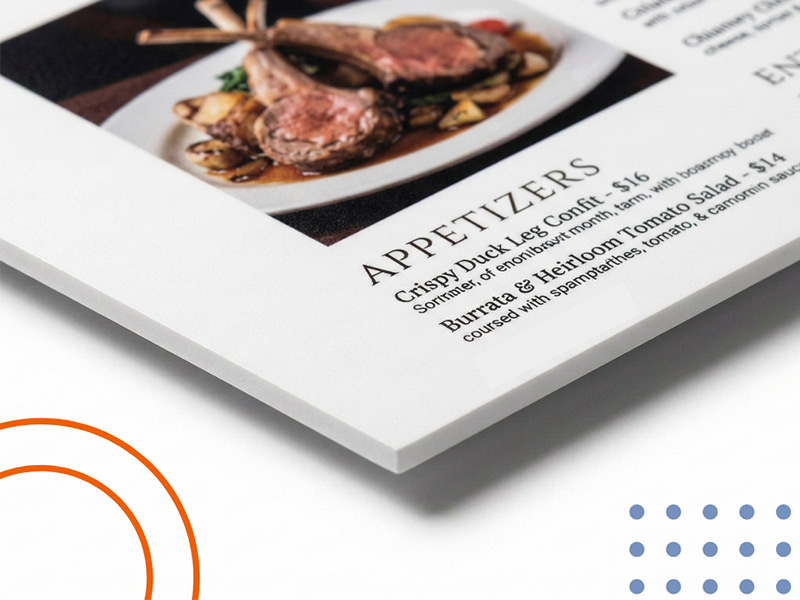
PVC signage is one of the most economical options among different types of signage materials. This material is made of polyvinyl chloride and is used in many advertising projects due to its reasonable price.
One of the main advantages of PVC is its lightness. This makes it very easy to install and move. In addition, it can be produced in different sizes and thicknesses.
However, keep in mind that PVC is less durable than metal or acrylic. So, it is usually used for temporary signs or projects that require less expense.
Despite these limitations, PVC remains one of the most widely used materials for short-term outdoor signage.
Corrugated Plastic (Coroplast)
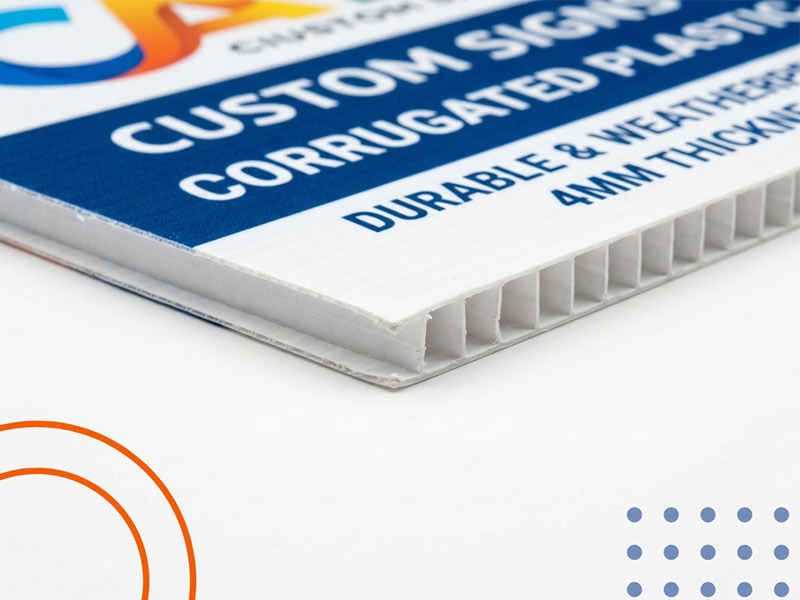
Coroplast signage is made from corrugated polypropylene plastic and is one of the lightest sign materials in the industry. This material is very popular for temporary signs due to its low price and light weight.
For example, many yard signs in election campaigns or real estate signs are made from this material. Its common thickness is around 4 mm, providing a good balance between weight and strength.
Among outdoor sign materials, Coroplast is well-suited for short-term use. It is easy to install and mounts on metal frames or wire stands.
Of course, it is not an ideal choice for long-term use. However, for events, seasonal advertising, or temporary signs, it is one of the most cost-effective options.
Vinyl Banners & Flexible Outdoor Materials
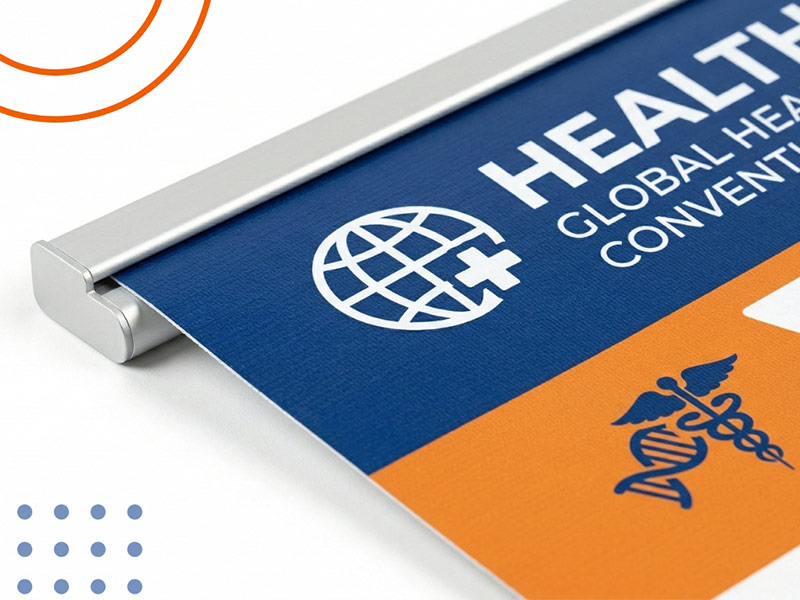
Vinyl banners are among the most common flexible sign materials for outdoor spaces. This material is actually made of PVC and is very practical for temporary advertising due to its high flexibility.
The biggest advantage of vinyl signage is its flexibility. It can be rolled, transported and installed in different places. This feature has made it very popular for events, festivals and sales promotions.
In areas with strong winds, mesh banners are one of the most used banner material types. This type of banner has small holes that allow wind to pass through, reducing pressure on the banner.
Among outdoor signage materials, vinyl banners are one of the most economical options. They can also be printed with high-quality images, making them ideal for short-term advertising campaigns.
3D Plastic & Dimensional Letters
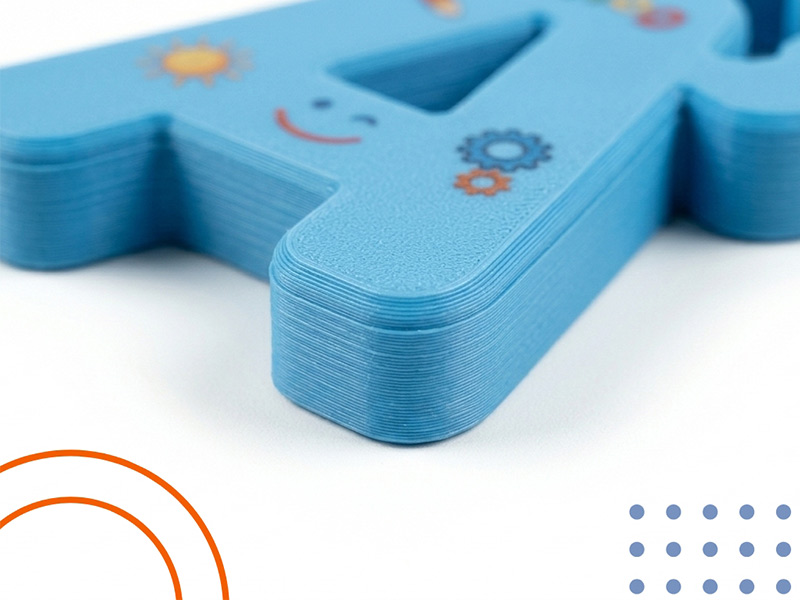
Exterior plastic letters are one of the most attractive exterior sign materials for store branding. Often made of PVC or acrylic, these letters add depth and visual impact to the sign.
3D plastic letters are designed to cast shadows and be easily seen even from a distance. This feature makes them very popular in store signs and big brands.
They also perform well in terms of resistance. These materials are resistant to sunlight and other environmental conditions and are suitable for long-term outdoor use.
One of their important advantages is their personalization. They can be produced in different sizes, colors, and fonts, and even have LED lighting added. That’s why many brands today use this type to create a stronger visual identity.
Interior Sign Materials
Foam Core Board
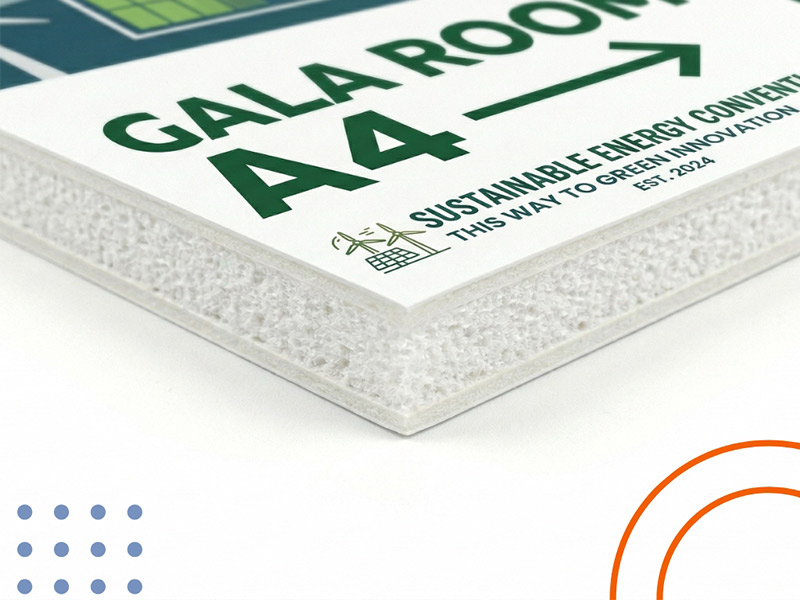
Foam core is one of the most common interior sign materials for temporary signs and low-cost projects. This material consists of a lightweight foam core sandwiched between two layers of smooth paper. The result is a smooth surface suitable for printing high-quality graphics.
For this reason, foam-core signage is widely used for exhibitions, corporate presentations, event information boards, and stand-mounted posters. It is simple to install, and its light weight makes it easy to transport and move.
However, among different types of signage material, foam core is not very durable. This material is sensitive to moisture and can quickly deteriorate in high-traffic environments. Therefore, it is recommended for short-term indoor use.
Gator Board / Ultra Board
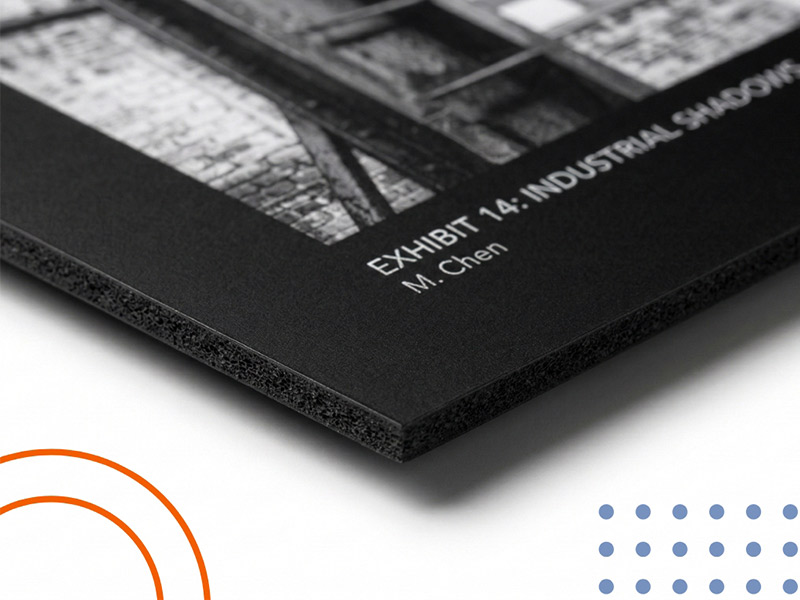
If your project requires a more durable material, gator board signage is a better choice. This material features a similar structure to foam core but is coated with a harder surface layer that provides greater resistance to impact and bending.
Gator boards are used in many projects, such as showrooms, stores, and photo displays in galleries. This material remains flat even at large sizes and does not warp.
Among rigid sign materials, Gator board offers a good balance between strength and weight. This makes it a practical upgrade when a sign needs to look polished while still remaining lightweight.
Polystyrene (Styrene)
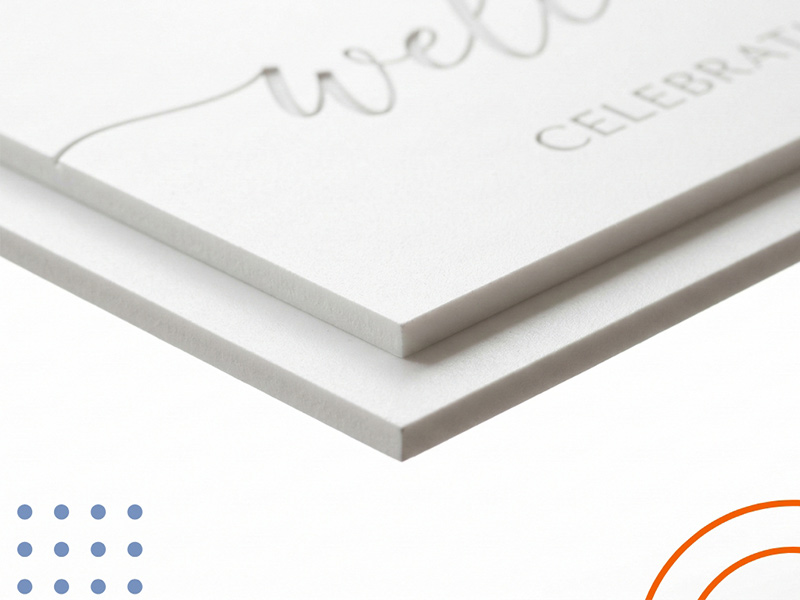
Polystyrene, commonly known as styrene, is one of the most widely used materials for retail signage. This material is a smooth, thin plastic sheet that offers excellent print quality.
Polystyrene signage is commonly used for restaurant menus, POP signs, shelf labels, and hanging graphics. Its smooth surface allows for vibrant colors and sharp graphic details to be printed.
Among interior sign materials, styrene offers a combination of flexibility and durability. It is less prone to breakage than some hard materials while still maintaining a professional appearance.
Acrylic (Interior Use)
Acrylic is one of the most luxurious signage materials for interior signage. Its clear, glass-like appearance makes it very popular in modern spaces such as corporate lobbies, offices, or hotels.
Acrylic signage is commonly used for reception signs, wall logos, raised letters, and illuminated signs. This material can be transparent, opaque, or colored and can even be combined with LED lighting.
One of the important features of acrylic is its high durability in indoor environments. Of course, it weighs more than some materials and requires the right equipment for installation.
PVC Board (Indoor Applications)
PVC board is also one of the most versatile materials. This material is made of PVC foam, is lightweight, and has good strength.
PVC signboards are usually used for lobby signs, wall graphics, exhibitions, and store signs. Its smooth surface allows high-quality printing.
One of its important advantages is its ease of cutting and shaping. It also costs less than materials such as acrylic. So, it is used as an economical and practical option in many interior sign materials projects.
Vinyl Graphics & Wall Decals
Vinyl graphics are one of the most popular flexible sign materials for interior branding. This material is produced as a sticker or label and can be installed on walls, glass, or smooth surfaces.
Vinyl wall graphics are used in offices, stores, and commercial spaces to display logos, brand messages, or decorative designs. It is quick to install and, in many cases, can be removed without damaging the surface. However, removability depends on the adhesive type, wall finish, and how long the graphic has remained in place.
Among interior signage materials, vinyl is one of the best options for temporary or semi-permanent advertising in indoor spaces, thanks to its high flexibility, design variety, and reasonable cost.
Maintenance & Lifespan of Signage Materials
Proper maintenance can significantly improve the durability of sign materials. Even the best materials will wear out faster if not maintained properly. One of the simplest things to do is to clean them regularly. Most signs can be cleaned with a soft cloth, water, and a mild detergent.
This will help keep dust and dirt off the surface and maintain the sign’s appearance.
Protection from sunlight is important for outdoor signage materials. Many outdoor signs use UV-resistant coatings or protective laminates to prevent fading over time. Some materials also use protective coatings or industrial paints that increase their resistance to moisture and environmental conditions.
The situation is usually simpler for interior sign materials, as these signs are not exposed to rain or direct sunlight. However, in high-traffic areas such as shopping malls or stores, it is important to choose a material that is impact- and scratch-resistant.
In terms of longevity, temporary signs may last a few months to a year, while higher-quality materials can last for several years. In some cases, repairing or replacing damaged parts can reduce costs and extend the sign’s lifespan.
Cost Comparison of Sign Material Types
Cost is one of the most important factors in choosing sign material types. Different materials fall into different price categories, and each is suitable for a specific type of project.
In the economy category, materials such as foam core, coroplast, and vinyl banners fall. These materials are lower-priced and very suitable for short-term projects or temporary advertising. However, their durability is usually more limited.
At the mid-range, materials like PVC and acrylic are available. These options offer a good balance between cost and quality and are used for many commercial or office signs. This is why they are popular in many projects.
In the premium category, materials such as aluminum, ACM, and stainless steel are often used for exterior signs. These options have a higher initial cost but provide greater long-term value in terms of durability and longevity.
When considering signage material costs, it is best to consider not only the initial price but also the material’s useful life.
Conclusion
Choosing from the right types of signage materials is crucial to the success of a sign or advertising project. The material you choose should strike the right balance between durability, appearance, and budget.
Also, considering the differences between interior and exterior sign materials will help the sign perform better and maintain its quality for longer.
FAQs
What are signage materials?
Signage materials refer to the different materials used to produce signs, such as aluminum, acrylic, PVC, coroplast, foam board, and vinyl.
What material is used for outdoor signage?
For outdoor signs, common materials include aluminum, ACM, stainless steel, outdoor acrylic, and vinyl banners.
What is the reflective material on signs?
Special reflective films are commonly used to reflect light and improve the sign’s readability at night.
What is the best material for signage?
The best material depends on the application: aluminum is suitable for outdoor use, acrylic for luxury indoor signs, and vinyl for temporary advertising.
What is PVC material for signage?
PVC is a lightweight, printable plastic board used for lobby signs, exhibition signs, and some short-term outdoor signs.
What are the different types of permanent signage?
Permanent signs are typically made of aluminum, stainless steel, thick acrylic, or plastic embossed letters. ACM is also commonly used for permanent exterior signage as it combines durability with a clean, professional appearance.